Graduate Overview
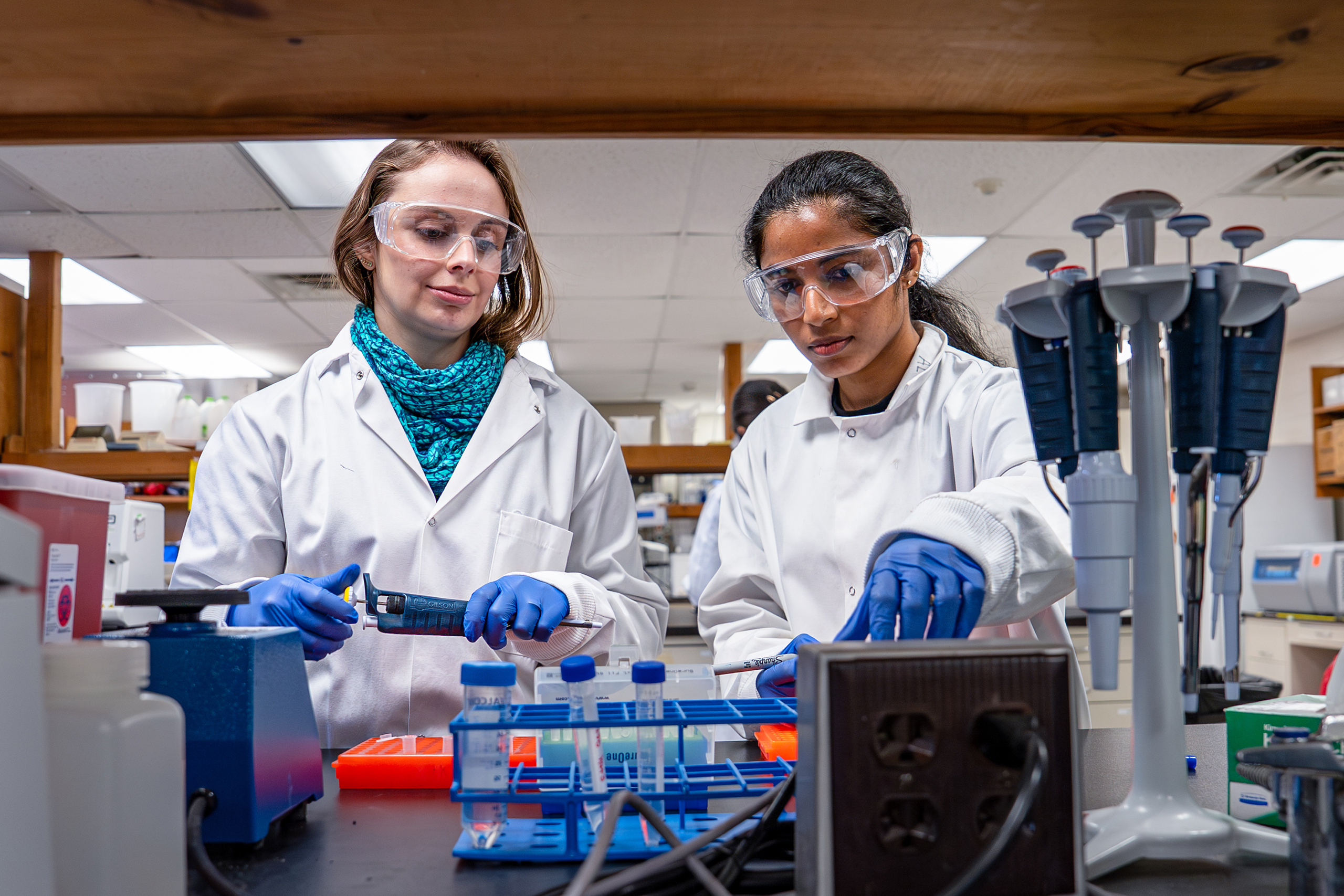
Graduate education in the Department of Nutritional Sciences prepares students to advance human health through research, innovation, and evidence-based practice. Working closely with faculty mentors, students explore topics such as biochemical and molecular nutrition, human nutrition and metabolism, community/public health nutrition, and food science/nanotechnology. Supported by UConn’s research-intensive environment, graduate students build the expertise to lead in academia, healthcare, industry, public health, and research.
Degree Options
Master of Science (MS)
The department accepts students to complete a terminal MS in Nutritional Sciences following either Plan A (thesis) or Plan B (non-thesis) tracks. UConn undergraduates may also pursue an expedited BS/MS 4+1 pathway that allows qualified students to earn both degrees in five years.
Doctor of Philosophy (Ph.D.)
The Ph.D. in Nutritional Sciences provides rigorous training and broad experience, including allowing students to expand their interdisciplinary expertise through collaboration across UConn, UConn Health, and other institutions.
Online and Certificate Programs
The Department of Nutritional Sciences offers both a fully online MS in Personalized Nutrition and a Graduate Certificate in Precision Nutrition to propel your career in the rapidly advancing field of nutrition.
Join our Community
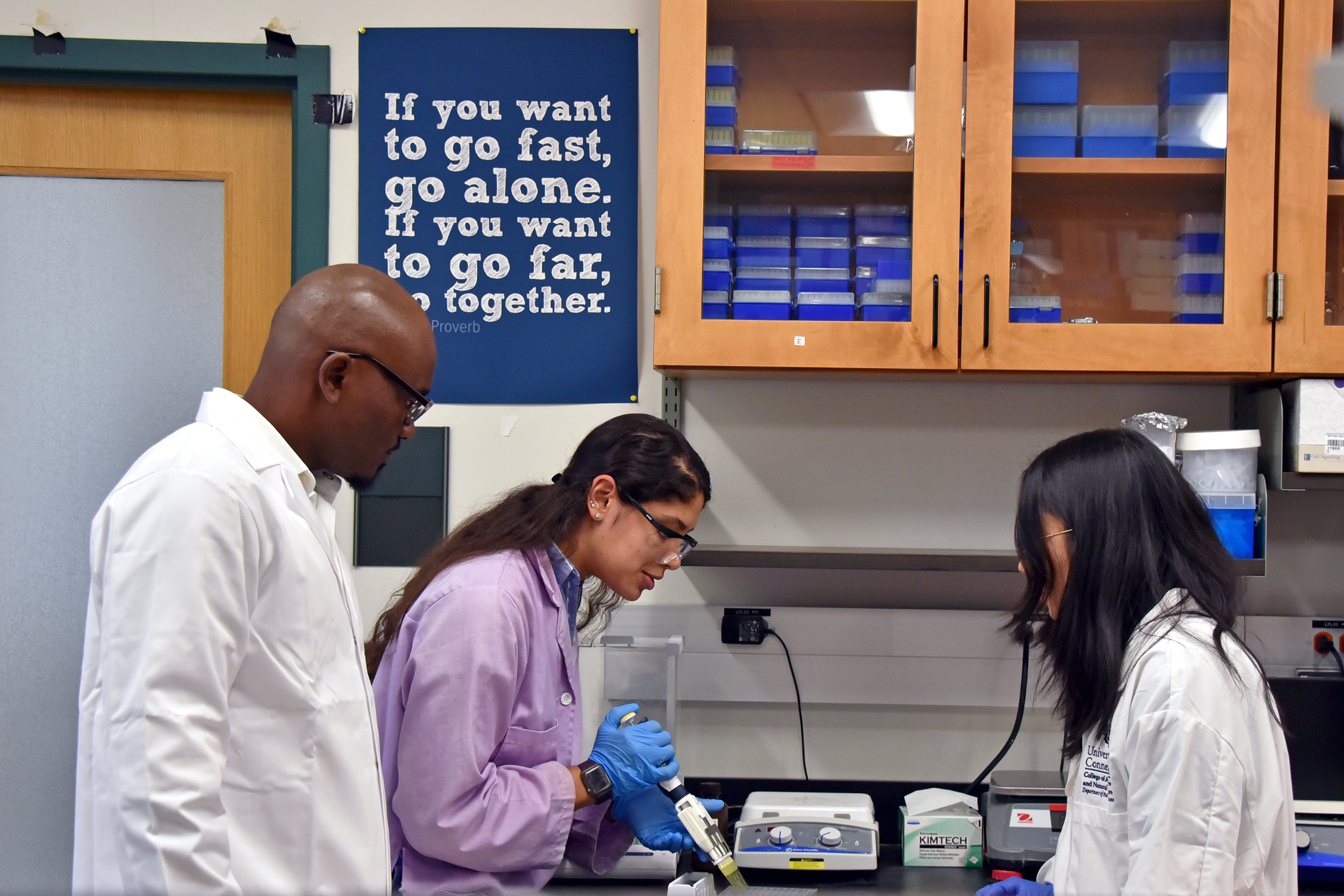
The Department of Nutritional Sciences offers a collaborative graduate community where students pursue advanced study with faculty who are deeply engaged in research, teaching, and public service. Students benefit from mentorship that supports their academic progress, research development, and long-term career planning. Graduate students also become part of CAHNR’s broader network of scholars, educators, and professionals committed to improving quality of life through health science, innovation, and community engagement.
Graduate Education Resources
Graduate students have access to university and departmental resources that support academic success, professional development, research advancement, and community building throughout their graduate experience.
Career Resources
Graduate students receive guidance and support that help prepare them for careers in academia, healthcare, research, public health, industry, government, and nonprofit organizations. Graduate training in nutritional science builds advanced analytical, scientific, communication, and leadership skills valued across many sectors.
More Information
Questions?
For more information about the MS or Ph.D. programs in Nutritional Sciences, please contact Yangchao Luo, yangchao.luo@uconn.edu